Best Construction Health and Safety Software for UK Teams in 2026: 12 Tools Reviewed

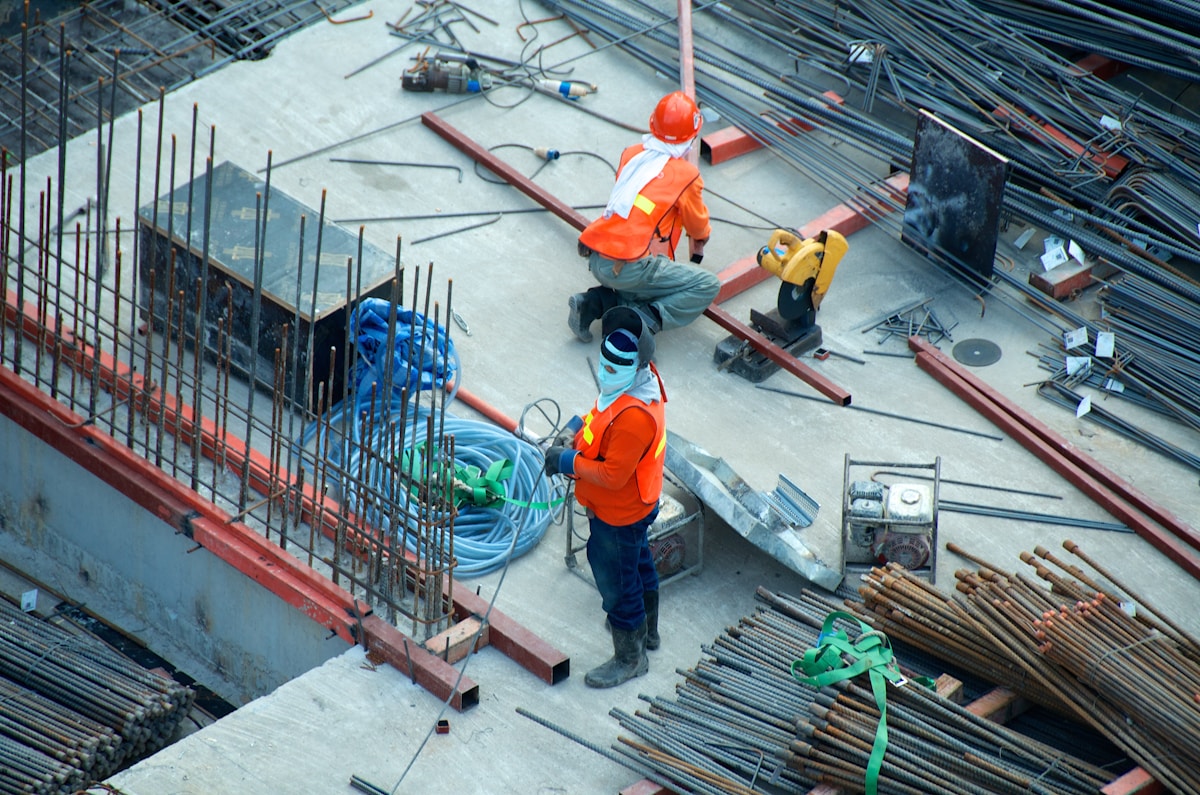
Construction remains one of the most dangerous industries in the United Kingdom. According to the Health and Safety Executive (HSE), the sector accounts for roughly 30% of all fatal workplace injuries each year — a figure that hasn't budged enough despite decades of regulation.
The good news? Technology is finally catching up. A new generation of health and safety software is helping UK construction teams move beyond paper checklists and spreadsheet-based compliance. These tools digitise risk assessments, automate incident reporting, streamline site inspections, and create the audit trails that CDM 2015 demands.
But with dozens of platforms competing for your attention (and your budget), choosing the right one isn't straightforward. In this guide, we've reviewed 12 of the best construction health and safety software tools available to UK teams in 2026 — covering everything from enterprise-grade platforms to lightweight mobile apps suited to small builders.
Why Construction Health and Safety Software Matters in 2026
Before we dive into the tools, let's establish why digital safety management isn't optional anymore.
Regulatory Pressure Is Increasing
The Construction (Design and Management) Regulations 2015 place clear duties on clients, designers, principal designers, principal contractors, and contractors. Everyone in the supply chain must demonstrate they're managing risk. Paper-based systems make this difficult to prove — especially when HSE inspectors come knocking.
The Building Safety Act 2022 has added another layer, introducing the Building Safety Regulator and requiring a "golden thread" of digital information throughout a building's lifecycle. Software that captures safety data digitally feeds directly into this requirement.
The Cost of Getting It Wrong
HSE prosecutions resulted in fines totalling over £40 million in recent years. Beyond fines, workplace accidents cause project delays, increased insurance premiums, reputational damage, and — most importantly — human suffering. Investing in proper safety software is orders of magnitude cheaper than dealing with the consequences of poor safety management.
Communication Is the Missing Link
Most safety failures on construction sites aren't caused by a lack of knowledge — they're caused by poor communication. Instructions don't reach the right people. Near-misses go unreported. Toolbox talks happen but aren't documented. This is where platforms that combine safety management with project communication tools like BRCKS make a real difference — ensuring safety information actually reaches every person on site, with read receipts to prove it.
How We Evaluated These Tools
We assessed each platform against criteria that matter specifically to UK construction teams:
- CDM 2015 compliance features — Does it support the specific workflows UK regulations require?
- Mobile usability — Can site workers use it on a muddy site with gloved hands?
- Offline capability — Many UK construction sites have patchy mobile coverage
- UK-specific templates — RAMS, COSHH assessments, method statements in UK formats
- Integration — Does it play nicely with existing project management and communication tools?
- Pricing transparency — Can you actually find out what it costs without sitting through a sales demo?
- Scalability — Suitable for a 5-person outfit or a 500-person tier-one contractor?
The 12 Best Construction Health and Safety Software Tools for UK Teams
1. SafetyCulture (formerly iAuditor)
Best for: Site inspections and digital checklists
SafetyCulture has become the go-to inspection platform for construction teams worldwide, and it's particularly strong in the UK market. Originally known as iAuditor, the platform rebranded to reflect its broader ambitions in workplace safety.
Key features:
- Thousands of pre-built inspection templates, including UK-specific H&S checklists
- Photo and annotation tools for documenting hazards on site
- Automated report generation with professional formatting
- Analytics dashboard showing safety trends across multiple sites
- Offline capability — essential for remote UK construction sites
- Corrective action tracking with assignees and deadlines
Pricing: Free plan available (up to 10 inspections/month). Premium from £19/user/month. Enterprise pricing on request.
Verdict: If your primary need is digitising site inspections, SafetyCulture is hard to beat. The free tier is genuinely useful for small teams, and the template library saves hours of setup time.
2. Procore Safety
Best for: Enterprise contractors needing an all-in-one platform
Procore is the 800-pound gorilla of construction management software, and its safety module is comprehensive. UK adoption has grown significantly as Procore has invested in localisation and opened its London office.
Key features:
- Incident management with root cause analysis workflows
- Safety observations linked directly to project drawings
- Configurable inspection templates aligned to UK standards
- Worker orientation and certification tracking
- Integration with Procore's broader project management suite
- Robust reporting and analytics for multi-site operations
Pricing: Custom pricing only — typically suited to firms with annual construction volume exceeding £10 million. Expect to pay several hundred pounds per user annually.
Verdict: Procore Safety is powerful but expensive. It makes most sense if you're already using (or planning to use) Procore for project management. For safety-only needs, it's overkill for smaller firms. See our guide to Procore alternatives for more options.
3. SiteHawk
Best for: COSHH management and hazardous substance compliance
SiteHawk fills a niche that most general safety platforms overlook — managing hazardous substances and COSHH compliance. For UK construction teams dealing with paints, adhesives, solvents, and other chemicals, this is invaluable.
Key features:
- Centralised safety data sheet (SDS) management
- Automated COSHH risk assessments
- Substance approval workflows
- Chemical inventory tracking across multiple sites
- Regulatory change alerts for UK chemical regulations
- Integration with procurement systems
Pricing: From £200/month for small businesses. Enterprise pricing available.
Verdict: SiteHawk is a specialist tool, and that's its strength. If COSHH compliance is a significant burden for your business (and it should be — HSE takes chemical safety very seriously), SiteHawk pays for itself quickly.
4. Fieldwire
Best for: Task management with safety integration
Fieldwire (now owned by Hilti) isn't purely a safety platform, but its task and inspection management capabilities make it a strong choice for teams that want safety workflows embedded into their daily project management. Over 4 million projects have been managed through the platform.
Key features:
- Safety inspection checklists linked to project plans
- Punch list and snagging with photo documentation
- Task assignment with priority levels and due dates
- Plan markup and annotation tools
- Offline access on iOS, Android, and web
- BIM viewer integration
Pricing: Free plan for up to 5 users. Pro from $39/user/month (approximately £31). Business and Enterprise tiers available. Check our BRCKS vs Fieldwire comparison for a detailed breakdown.
Verdict: Fieldwire is excellent if you want safety inspections integrated with task management. However, it's primarily a US-focused product — UK-specific templates and regulatory alignment require some customisation.
5. Autodesk Construction Cloud (ACC)
Best for: Design-to-site safety coordination
Autodesk Construction Cloud brings together BIM 360, PlanGrid, and BuildingConnected into a unified platform. Its safety features are particularly strong for teams using Revit or AutoCAD, creating a design-to-construction safety thread.
Key features:
- Safety issue tracking linked to 3D models and 2D plans
- Configurable safety checklists and inspection workflows
- Environmental health and safety (EHS) analytics
- Document management for method statements and RAMS
- AI-powered risk prediction based on project data
- Multi-project portfolio safety dashboards
Pricing: From approximately £45/user/month. Enterprise pricing on request.
Verdict: ACC is the natural choice for firms already in the Autodesk ecosystem. The design-to-site safety tracking is genuinely innovative. But the learning curve is steep, and smaller firms may find it overwhelming.
6. Site Diary
Best for: Daily safety records and site documentation
Site Diary focuses on the daily documentation that keeps construction projects compliant. For UK teams, the construction site diary is a legal requirement on many projects, and this tool makes it painless.
Key features:
- Daily log templates with weather, labour, equipment, and safety sections
- Photo documentation with timestamps and GPS coordinates
- Safety incident logging with automatic notifications
- Progress tracking with visual timelines
- Export to PDF for client and regulatory submissions
- Multi-site dashboard for portfolio management
Pricing: From £15/user/month. Free trial available.
Verdict: If you need a lightweight, affordable way to maintain compliant daily records with integrated safety logging, Site Diary delivers. It won't replace a full-featured safety platform, but it covers the documentation basics well.
7. HAE EHA (Hire Association Europe — Equipment Health Assessment)
Best for: Plant and equipment safety compliance
The HAE offers a digital platform specifically for managing the safety compliance of hired plant and equipment — a major concern on UK construction sites where most heavy machinery is hired rather than owned.
Key features:
- Equipment inspection scheduling and tracking
- Digital LOLER and PUWER compliance records
- Operator competency verification
- Defect reporting with photo evidence
- Hire fleet management across multiple suppliers
- Integration with major UK hire companies
Pricing: Membership-based. Contact HAE for current rates.
Verdict: This is a UK-specific gem. If you hire significant amounts of plant and equipment, the HAE platform helps you stay on top of LOLER and PUWER obligations without drowning in paperwork.
8. Dashpivot by Sitemate
Best for: Customisable safety forms and workflows
Dashpivot by Sitemate offers a flexible forms-based platform that lets construction teams build their own safety management workflows. Think of it as a construction-specific alternative to generic form builders.
Key features:
- Drag-and-drop form builder with construction-specific field types
- Pre-built templates for SWMS, JSAs, incident reports, and toolbox talks
- Photo, signature, and GPS capture
- Automated workflows — e.g., escalate incidents above a severity threshold
- Real-time dashboards and analytics
- Offline mobile access
Pricing: From £25/user/month. Custom enterprise pricing available.
Verdict: Dashpivot's flexibility is both its strength and weakness. If you have unique safety workflows, you'll love the customisation. If you want something that works out of the box with UK templates, you'll spend time setting it up.
9. BRCKS
Best for: Combining safety communication with project management
BRCKS takes a different approach to construction safety — it starts with communication. While most safety platforms focus on forms and checklists, BRCKS ensures that safety information actually reaches every person on site. Built specifically for UK construction teams, it addresses the communication gap that causes most safety incidents.
Key features:
- Project-organised messaging that replaces scattered WhatsApp groups
- Read receipts proving safety briefings and toolbox talks were received
- Video meetings for remote safety briefings and incident reviews
- Operations dashboard tracking project health including safety KPIs
- Task tracking for corrective actions with accountability trails
- Daily reports that capture safety observations alongside progress updates
- Scheduling tools for safety inspections and briefings
Pricing: Free trial available. Professional plan from £40/month. Enterprise pricing on request.
Verdict: BRCKS doesn't try to be a dedicated H&S compliance platform — instead, it ensures safety communication doesn't fall through the cracks. The read receipt feature alone solves a massive accountability problem that paper sign-off sheets and WhatsApp groups simply cannot address. Best paired with a dedicated inspection tool like SafetyCulture for comprehensive coverage. Learn more about why teams are switching from WhatsApp to BRCKS.
10. HSE Incident Contact Centre (ICC) Portal
Best for: Mandatory RIDDOR reporting
The HSE's own reporting portal isn't software you choose — it's a regulatory requirement. Under RIDDOR (Reporting of Injuries, Diseases and Dangerous Occurrences Regulations 2013), certain incidents must be reported to HSE. Understanding the portal is essential.
Key features:
- Online RIDDOR incident reporting
- F2508 and F2508A form submission
- Confirmation receipts for compliance records
- Guidance on what must and must not be reported
- Free to use (publicly funded)
Pricing: Free — it's a government service.
Verdict: Not a tool you select, but one you must know. Many commercial platforms integrate RIDDOR reporting, but understanding the direct HSE portal ensures you're never caught out when something serious happens on site.
11. Cora Systems
Best for: Portfolio-level safety governance
Cora Systems operates at the portfolio and programme level, making it suited to tier-one contractors and public sector bodies managing dozens or hundreds of projects simultaneously.
Key features:
- Portfolio-wide safety performance dashboards
- Risk registers with automated escalation workflows
- Compliance tracking against CIOB and industry standards
- Resource allocation optimisation including safety personnel
- Integration with ERP and finance systems
- Configurable governance frameworks
Pricing: Enterprise pricing only. Contact for quote.
Verdict: Cora Systems is enterprise software for enterprise problems. If you're managing a portfolio of construction projects and need board-level safety reporting, it's excellent. For individual project teams, look elsewhere.
12. GoReport
Best for: Quick, professional safety reports from site
GoReport is a UK-developed platform focused on creating professional reports from mobile devices. It's popular with site managers who need to produce safety inspection reports, condition reports, and compliance documents quickly.
Key features:
- Drag-and-drop report builder with photo integration
- Pre-built templates for common UK construction reports
- Speech-to-text for hands-free report writing on site
- Cloud storage with automatic backup
- Client-branded report output
- Works offline with automatic sync
Pricing: From £30/user/month. Volume discounts available.
Verdict: GoReport excels at turning site observations into professional documents quickly. The speech-to-text feature is genuinely useful when you're wearing gloves and standing in the rain — a very British construction reality.
How to Choose the Right Tool for Your Team
With 12 options on the table, here's a decision framework:
For Small Builders (1-10 Employees)
Start with SafetyCulture's free plan for inspections and BRCKS for project communication. This combination covers safety documentation and ensures information reaches your team — all without breaking the bank.
For Mid-Size Contractors (10-100 Employees)
Consider Dashpivot or SafetyCulture Premium for safety-specific workflows, paired with BRCKS Professional for communication and daily reporting. Add SiteHawk if COSHH management is a significant concern.
For Tier-One Contractors (100+ Employees)
Procore or Autodesk Construction Cloud provide the enterprise-grade capabilities you need, with Cora Systems for portfolio-level governance. Ensure whichever platform you choose integrates with your existing tech stack.
For Specialist Needs
- COSHH compliance: SiteHawk
- Plant and equipment: HAE EHA
- Quick reporting: GoReport
- Daily records: Site Diary
- RIDDOR reporting: HSE ICC Portal (mandatory)
The Role of Communication in Construction Safety
It's worth emphasising a point that the Chartered Institute of Building (CIOB) has made repeatedly: the majority of construction safety incidents involve a communication failure. Someone didn't receive the briefing. The method statement wasn't shared with the subcontractor. The near-miss report sat in someone's inbox for three weeks.
This is why we believe the best safety technology stack includes a dedicated construction communication platform alongside your chosen inspection and compliance tools. Safety forms capture what happened; communication tools prevent it from happening in the first place.
Whether you choose BRCKS or another communication platform, make sure your safety information doesn't live in silos. The Royal Institution of Chartered Surveyors (RICS) has highlighted integrated digital information management as critical to construction industry improvement — and safety data is a core part of that picture.
Implementation Tips for UK Construction Teams
Choosing software is only half the battle. Here's how to make adoption stick:
- Start with one workflow. Don't try to digitise everything at once. Pick your biggest pain point — usually site inspections or incident reporting — and nail that first.
- Get buy-in from site managers. If the people running your sites don't use the tool, nobody will. Involve them in the selection process.
- Make it easier than paper. If the digital process takes longer than the paper one, people will revert. Choose tools with genuinely good mobile apps.
- Train on real scenarios. Don't just show people how the software works — show them how it applies to their actual site and their actual risks.
- Measure and share results. Track inspection completion rates, incident reporting times, and corrective action closure rates. Share improvements with the team.
- Link to existing communication channels. Safety software that feeds into your team's daily communication — through tools like BRCKS — gets used more than standalone systems that require separate logins.
Frequently Asked Questions
What is construction health and safety software?
Construction health and safety software is a digital platform that helps construction teams manage safety compliance, incident reporting, risk assessments, site inspections, and toolbox talks. It replaces paper-based systems with mobile-friendly tools that improve accountability and reduce workplace accidents.
Is health and safety software required under CDM 2015?
CDM 2015 does not specifically mandate software, but it requires duty holders to plan, manage, and monitor health and safety effectively. Software makes it significantly easier to demonstrate compliance, maintain audit trails, and coordinate between principal contractors and designers.
How much does construction safety software cost in the UK?
Prices vary widely. Basic tools start from free or £10 per user per month, while enterprise platforms like Procore or Autodesk Construction Cloud can cost hundreds per user monthly. Most vendors offer free trials so you can evaluate before committing.
Can small builders benefit from health and safety software?
Absolutely. Small builders often face the same CDM obligations as larger firms but with fewer resources. Lightweight tools like SafetyCulture (iAuditor), Site Diary, or BRCKS help small teams stay compliant without the overhead of enterprise systems.
What features should I look for in construction H&S software?
Key features include digital risk assessments, incident and near-miss reporting, site inspection checklists, toolbox talk management, photo and video evidence capture, real-time dashboards, offline access for remote sites, and integration with existing project management tools.
Final Thoughts
Construction health and safety isn't a box-ticking exercise — it's about sending everyone home safe at the end of every shift. The right software makes compliance easier, communication clearer, and accountability automatic.
No single tool does everything. The most effective UK construction teams in 2026 are combining specialist safety platforms with strong communication tools, creating an integrated digital safety culture that goes beyond forms and checklists.
Start small, choose tools that your team will actually use, and build from there. The HSE's construction guidance is an excellent free resource to help you understand your obligations before investing in software.
Looking for a construction communication platform that ensures safety information reaches every person on site? Try BRCKS free and see the difference read receipts and organised project channels make to your safety culture.